portable mesh node · multi-radio
One network.ANY TERRAIN.Every last mile, stitched.
A pocket node that picks whichever uplink is working — WiFi, cellular, satellite, or a nearby peer — and keeps your devices online while you move.
awaiting first handoff…
- live signal
- 0%
- active peers
- 0
- uplink
- SAT+LTE
- switched
- 0s ago
the stack
Four layers, one connection.
No new physics — four existing radios stacked so coverage overlaps where terrain cuts one off.
coverage range · log scale
- active link
- sub-ghz mesh
- distance
- 331 m
- fallback
- lte / 5g ready
- WIFI 6 / BLE0–120 mdevice hotspot
- SUB-GHZ MESH0.1–2 kmpeer hop
- LTE / 5G0–35 kmcarrier uplink
- LEO SATgloballast-resort uplink
- WIFI 6 / BLE · device hotspot
- SUB-GHZ MESH · peer hop
- LTE / 5G · carrier uplink
- LEO SAT · last-resort uplink
- active link
- sub-ghz mesh
- distance
- 331 m
- fallback
- lte / 5g ready
At 331 m the active link is SUB-GHZ MESH, fallback LTE / 5G.
the node
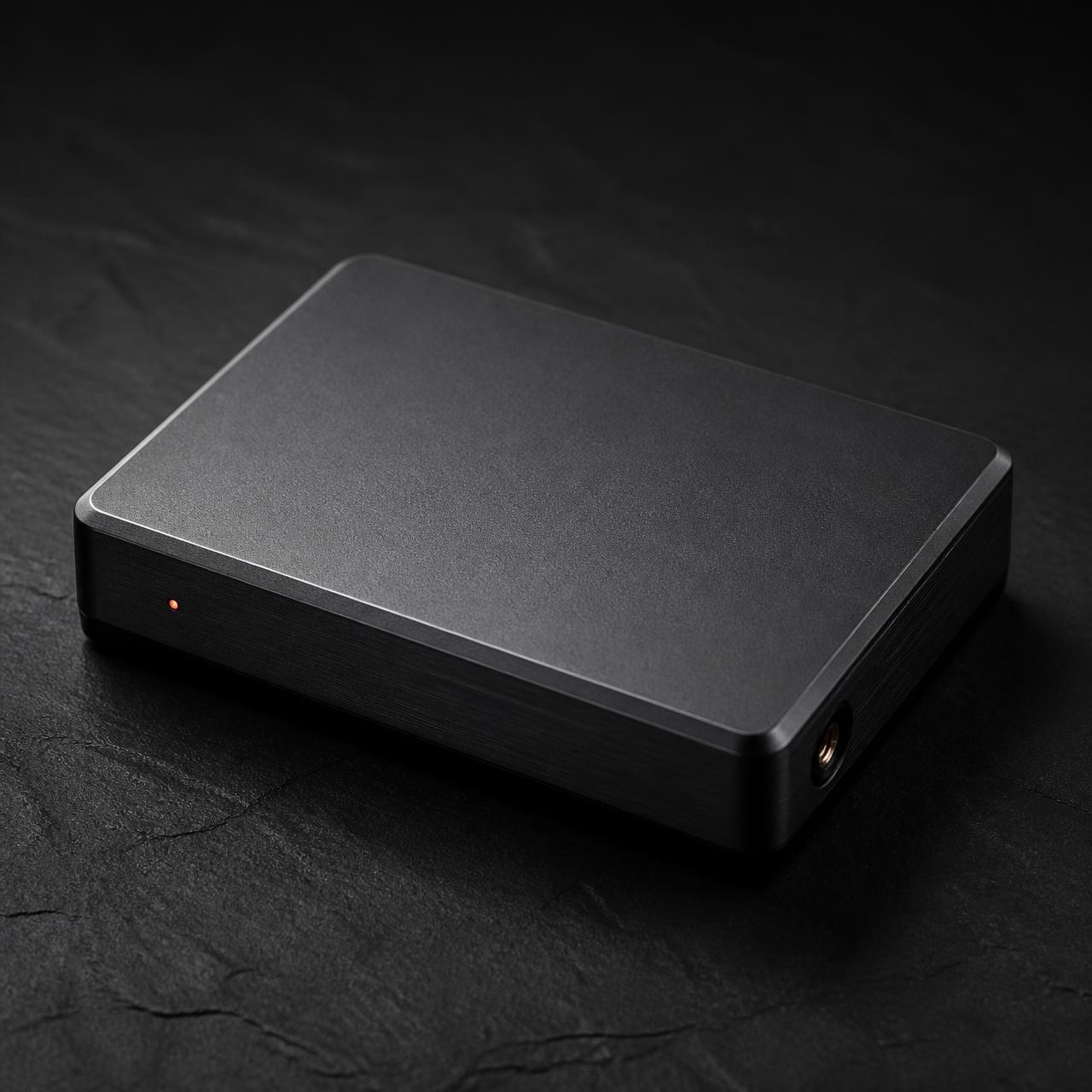
A pocket-sized carrier.
Four radios, GNSS, and a full field day of battery. Clip it to a bag, or leave one behind to extend a mesh down a valley.
| radios | WiFi 6 · BLE · sub-GHz · LTE |
|---|---|
| position | Multi-band GNSS |
| battery | 18 h typical · 40 h idle |
| weight | 184 g |
| rating | IP67 dust & splash |
| solar | 5 W trickle input |
the app
Your phone, watching the node.
To any phone or laptop, the node just looks like a hotspot. The MeshLink companion app is optional — for people who want to see what's happening under the hood.
coverage
See the mesh before you drop a node.
The atlas plots every OmniSignal node near you — hotspots, relays, satellite handoffs and known dead zones — from live GPS pings crowdsourced off the field.
cold start
From cold start to online in under 40 seconds.
01
Node boots, locks GNSS
Power on cold. The oscillator settles, multi-band GNSS acquires a fix, and every radio starts listening.
02
Discovers peers within 800 m
Sub-GHz beacons go out. Any OmniSignal node in earshot answers and negotiates a shared routing table.
03
Rates every candidate uplink
LTE, WiFi, LEO satellite, a peer already on fiber — each is scored on latency, loss and headroom. The best one locks.
04
Phone joins a normal network
It looks like ordinary WiFi. Behind it, the route re-forms in milliseconds whenever signal shifts.
state 01 / 04 — gnss lock
questions
Field notes.
The five things people ask before they take a node out past coverage.
Does it need a subscription or a SIM?
The node works with any SIM you already own, and falls back to WiFi, sub-GHz mesh or LEO satellite when no cellular is present. No OmniSignal subscription is required for local mesh use.
What happens when every uplink drops?
The node keeps the local mesh alive so paired devices stay reachable, buffers outbound traffic, and re-sends it the moment any layer returns. Handover is automatic and logged.
How far does a single node reach?
Line-of-sight discovery extends to roughly 2000 m on the sub-GHz layer. In broken terrain, leaving a second node behind extends the mesh down a valley.
Do my phone and laptop need extra software?
No. Devices join the node like any other hotspot. The companion app is only needed for pairing, calibration and coverage reports.
Is this shipping hardware?
It is a working concept. Field-test invitations go out with each hardware drop to everyone on the early-access list.
early access
Get on the list.
We prototype in the open. Field-test invitations go out with each hardware drop.